
Experiencing joint pain is frustrating, but when that pain is entirely isolated to one side of your body, it can feel particularly alarming. You might notice a sharp twinge in your right hip that travels down to your right knee, or perhaps your left leg feels heavy, achy, and completely out of sync with the rest of your body.
This localized, asymmetrical discomfort alters how you walk, disrupts your focus, and often makes finding a comfortable sleeping position nearly impossible. At Intecore Physical Therapy, we want patients to know that one-sided lower body pain is rarely a coincidence. Because the body operates as an interconnected mechanical system, an issue at the top of the leg almost always impacts the structures further down the chain.
Why Do My Knee and Hip Hurt on the Same Side?
Unilateral hip and knee pain typically stems from a clinical concept known as Kinetic Chain Dysfunction. When one joint or muscle group fails to operate correctly, your body compensates by altering your gait mechanics, which places abnormal, localized stress on the joints directly above and below it. The most common structural culprits for this one-sided pain include sacroiliac (SI) joint dysfunction, hip bursitis radiating down the iliotibial (IT) band, or L4-L5 lumbar nerve compression referring pain down a single leg.
Common Causes of One-Sided Hip and Knee Pain
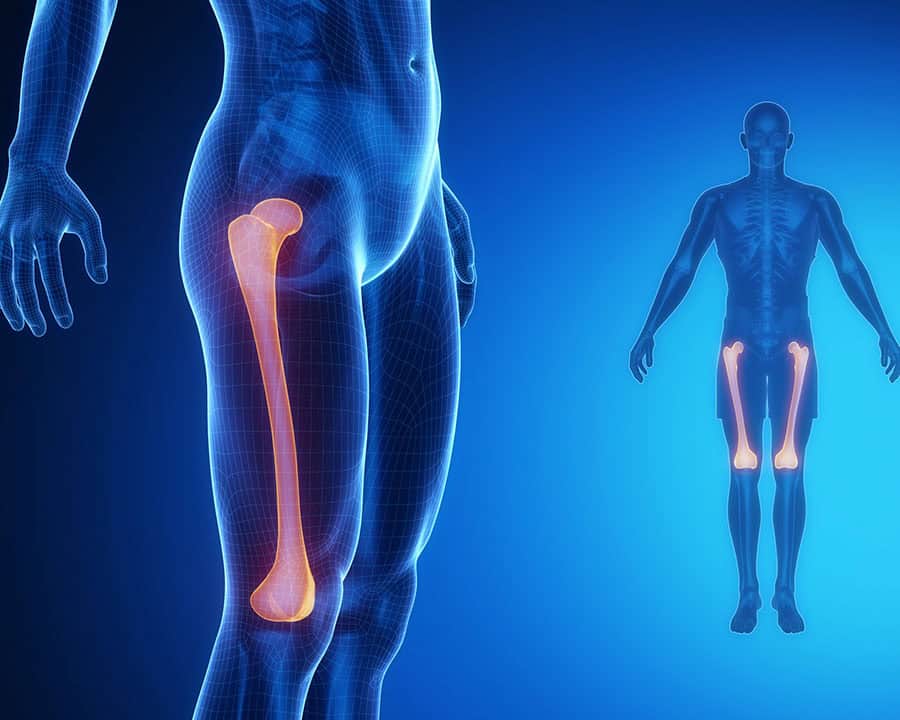
When trying to identify the root cause of unilateral leg pain, clinical physical therapists look closely at the mechanical linkages between the pelvis, hip, and knee. Here are the three most frequent diagnoses we see in the clinic.
SI Joint Dysfunction
The sacroiliac (SI) joints connect your lower spine to your pelvis on both the left and right sides. These joints act as critical shock absorbers, transferring weight from your upper body into your legs.
If one SI joint becomes locked (hypomobile) or overly loose (hypermobile), it creates an immediate pelvic imbalance. This dysfunction triggers localized inflammation that often radiates a deep, dull ache into the glute, wrapping around the side of the hip, and occasionally traveling down the back of the thigh toward the knee.
IT Band Syndrome
Your iliotibial (IT) band is a thick, fibrous band of fascia that runs from the outside of your pelvic bone down the lateral aspect of your thigh, attaching just below the knee. It plays a massive role in stabilizing your leg during walking and running.
If your hip abductor muscles are weak on one side, that IT band must work overtime to keep your leg stable. This excessive tension causes the band to become tight and inflamed, creating painful friction at its origin point (the outer hip) and its insertion point (the outer knee) simultaneously.
Hip Osteoarthritis with Referred Knee Pain
Osteoarthritis occurs when the protective cartilage inside a joint begins to wear away over time. Because we often favor one leg over the other throughout our lives, it is incredibly common for a patient to develop severe arthritis in one hip while the other remains relatively healthy.
Interestingly, severe hip joint degeneration often presents as referred pain in the knee. The hip and the knee share complex sensory nerve pathways (such as the obturator nerve). When the hip joint is heavily inflamed, the brain easily misinterprets these distress signals, causing you to feel a throbbing ache inside your knee even if the knee joint itself is perfectly fine.
Why Does One-Sided Hip and Knee Pain Get Worse at Night?
Many patients report that they can manage their asymmetrical leg pain during a busy workday, only to be struck by intense, throbbing discomfort the moment they go to bed. This nighttime spike in pain is driven by three specific physiological factors.
- Side-Sleeping Mechanics Without Knee Support: If you sleep on your non-painful side, your painful top leg naturally drops forward across your body. This poor positioning pulls the top hip out of alignment, overstretches the IT band, and places immense mechanical torque on the outside of the knee.
- Pooling of Inflammatory Markers: Movement is a natural anti-inflammatory because it pumps fluid through your lymphatic system. When you lie still at night, this muscle pump shuts off, allowing inflammatory fluid to pool heavily around irritated hip bursa or compressed nerves, increasing pressure and pain.
- Mattress Alignment Issues: A mattress that is too soft or excessively worn out will fail to support your spine and pelvis. When your heavier pelvic region sinks too deeply into the bed, it forces the hip joints into an awkward angle, pinching tissues and nerves on the affected side for hours at a time.
Self-Assessment: Is It Coming from Your Back or Your Joints?
Determining whether your unilateral pain is originating from a localized joint issue or referring from your spine can be tricky. You can use this simple, 3-step home assessment to gather clues about the source of your discomfort.
1. Standing Weight Shift Stand barefoot with your feet shoulder-width apart. Slowly shift all of your body weight onto your painful leg, then shift it all back to your “good” leg.
- If shifting weight immediately triggers sharp joint pain in the hip or knee, the issue is likely a localized mechanical or cartilage problem within that specific joint.
2. Seated Leg Extension Sit up tall on the edge of a firm chair. Slowly straighten the knee of your painful leg out in front of you, pointing your toes back toward your nose.
- If this motion sends a sharp, burning, or electrical shock traveling from your hip down to your calf, you are likely dealing with a compressed lumbar nerve (like sciatica) rather than a joint injury.
3. Gentleness Testing (Palpation) Lie down and use your fingers to press gently on the outside point of your hip bone and along the outer edge of your kneecap.
- If these specific external areas feel incredibly tender to the touch (like a deep bruise), you are highly likely dealing with IT Band Syndrome or localized hip bursitis.
Diagnosing the Source: Nerve vs. Joint Origin
Understanding how your pain behaves is the key to treating it effectively. Use this clinical comparison table to help differentiate between a nerve-driven issue and a localized joint problem.
| Criteria | SI Joint / Nerve Origin | Local Joint Origin |
| Primary Location | Deep glute, lower back, shooting down the back/side of the leg. | Pinpoint pain inside the hip groin, outer hip bone, or directly inside the knee. |
| Aggravating Factors | Bending forward, prolonged sitting, transitioning from sitting to standing. | High-impact activities, deep squatting, walking up and down stairs. |
| Nighttime Sensation | Burning, tingling, or electrical shocks down the leg. | Deep, localized throbbing, aching, or stiffness in the joint. |
| Relief Position | Lying flat on the back with knees propped up on a high pillow. | Gentle movement, heat application, and resting with the joint in a neutral posture. |
Your 3-Step Bedtime Positioning Routine
To combat nighttime pain flares, side-sleepers must prioritize joint alignment. Implement this simple positioning routine tonight to decompress your joints and reduce morning stiffness.
- Step 1: Create a Firm Foundation. Choose to sleep on your non-painful side. Ensure your head pillow keeps your neck perfectly in line with your spine, rather than propped up too high.
- Step 2: Utilize the Knee Spacer. Place a thick, firm pillow directly between your knees. This is non-negotiable for unilateral pain, as it prevents the top leg from dropping and twisting the pelvis.
- Step 3: Support the Ankle. Place a second, smaller pillow (or a rolled towel) between your ankles. Keeping the ankle elevated to the exact same height as the knee stops the lower leg from rotating inward, taking massive pressure off the IT band and hip capsule.
Take Action and Restore Your Mobility
Ignoring one-sided joint pain forces your body to develop unhealthy movement compensations. Over time, limping or favoring one leg will inevitably break down the cartilage in your “good” leg, turning a treatable unilateral issue into a severe bilateral problem.
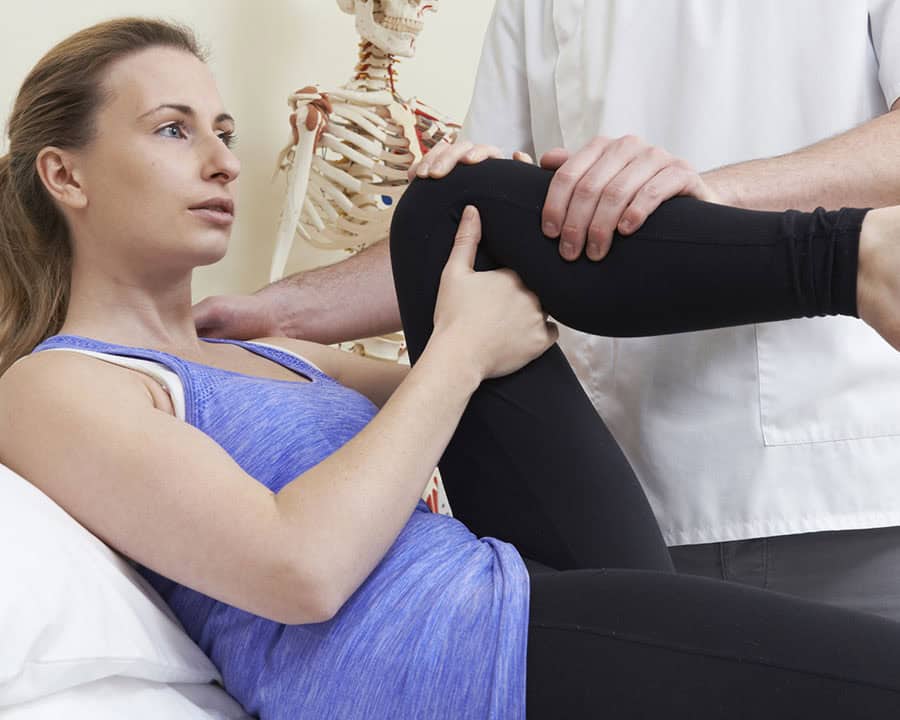
If one-sided hip and knee pain is affecting your sleep quality, altering your walking gait, or preventing you from enjoying your daily life, it is time for a professional intervention. A hands-on biomechanical assessment is the only definitive way to isolate the root cause of your kinetic chain dysfunction.
Our expert clinical team at Intecore Physical Therapy is dedicated to helping you move without pain and sleep without interruption. If you are located in Southern California, take the first step toward lasting relief today. Schedule a comprehensive evaluation at our Aliso Viejo, Foothill Ranch, or San Juan Capistrano physical therapy clinics, and let us help you get your life back in balance.

- Knee and Hip Pain on One Side: Causes, Nighttime Symptoms, and When to See a PT - August 13, 2026
- Avoiding Overuse Injuries: Sports Physical Therapy Tips for Foothill Ranch Athletes - July 14, 2026
- Why Does Pain Travel From Your Hip to Your Knee or Ankle? Understanding Radiating Leg Pain - June 17, 2026